
Why Hotel Buyers Are Moving Supply From China to Türkiye: Lead Time and Reliability

A hotel does not open when the design is finished. It opens when the last towel, the last robe, and the last set of linens are actually in the building.
That is why lead time, not only unit price, is the number that keeps a project manager awake, and right now it is the number quietly deciding where hospitality buyers place their orders. For years the reflex was simple: produce in China, accept the long wait, and plan around it. That calculation has changed. The wait is now longer and far less predictable, and in hospitality an unpredictable delivery date is not an inconvenience. It is a risk to an opening, a refurbishment, or a reorder that has to land before the rooms sell.
What changed on the lanes from China
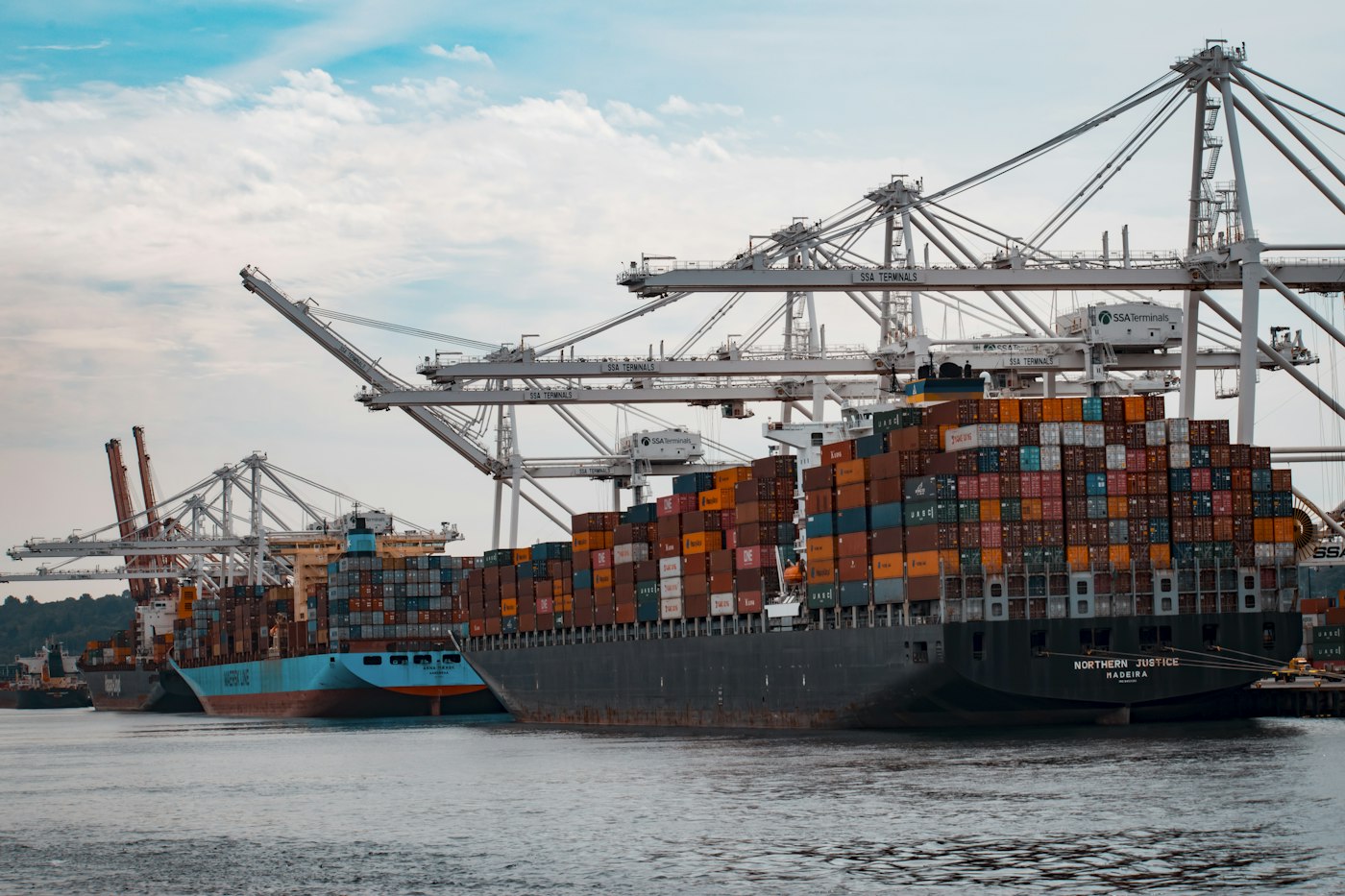
The ocean routes out of Asia are not what they were. With the Red Sea corridor still disrupted, ships bound for Europe and the Mediterranean are routing the long way around southern Africa, which adds roughly ten to fourteen days to a journey already measured in weeks. Freight on the Asia to Europe lane has been running well above its old baseline, and the schedule itself has become unreliable, with blank sailings, container shortages, and port congestion stacking delay on delay. For goods heading toward the Gulf the picture is different but no calmer, with tension around the Strait of Hormuz and the wider region adding its own uncertainty to an already long voyage.
None of this is a one-week storm that passes. It is the new shape of long-haul ocean freight, and the industry expects the disruption to run well into the coming period. A buyer ordering from China today is not buying a delay. They are buying uncertainty, and uncertainty is the thing a property on a deadline can least afford.
Why lead time is the real cost
It is easy to look only at the factory price and treat freight as a line item to absorb. In hospitality that is a trap. When goods are floating for six to ten weeks on a lane that reprices every month, three costs appear that never showed on the original quote.
The first is the opening itself. A slipped delivery can push back a launch date, and an empty, unsellable hotel is the most expensive inventory a business can hold. The second is working capital. Long, uncertain lead times force a property to order earlier and hold more stock as a buffer, tying up cash in linen sitting in a store room instead of in the business. The third is the scramble. When a shipment is late, the fix is usually air freight or a rushed local purchase at a premium, which erases whatever the low factory price was supposed to save. A cheap towel that arrives three weeks after opening is not cheap.
The near-shore answer
The advantage is not a cheaper towel. It is a shorter, steadier distance between where the goods are made and where they are needed.
This is where producing in Türkiye changes the math, and it does so structurally, not just while the current disruption lasts. Türkiye sits close to both of your markets, and that proximity is a permanent advantage rather than a temporary one.
For Gulf properties, the overland corridor from Türkiye moves goods in days rather than weeks, and it does so without depending on the long ocean voyages and maritime chokepoints that make the China route so unpredictable. Goods travel a known road on a known schedule, which is exactly what a project running to an opening date needs. For European properties, Türkiye reaches the continent by short-sea and road, sidestepping the rerouted, congested long-haul lanes entirely. In both cases the distance is measured in days, and a delivery date you can actually plan around stops being a luxury.
Consistency comes from closeness

Speed is only half of it. The other half is that the same closeness which shortens delivery also protects quality. When production happens a short distance from the buyer rather than an ocean away, samples move quickly, revisions are simple, and the goods are inspected in person before they ship rather than checked by email after the fact. Consistency, batch after batch, comes from that oversight, and oversight is far easier to hold across a few days than across half a world. For a property that reorders the same towels and linens season after season, that reliability is worth as much as the lead time itself.
What it means for your property
The buyers moving supply toward Türkiye are not chasing a bargain. They are buying certainty: a delivery date they can plan an opening around, a landed cost they can see before they commit, and a quality standard that holds every time they reorder. In a period where the long lanes from China have become slow and unpredictable, near-shore production has quietly become the lower-risk choice, and in hospitality, lower risk is the whole point.
A delivery date you can plan an opening around.
If you are outfitting or re-supplying a property and lead time is on your mind, tell us the product, the quantity per design, and your timeline. We come back with a proposal, a branded sample, and a delivery schedule you can plan around, produced in Türkiye and delivered ready to use under your own brand.
